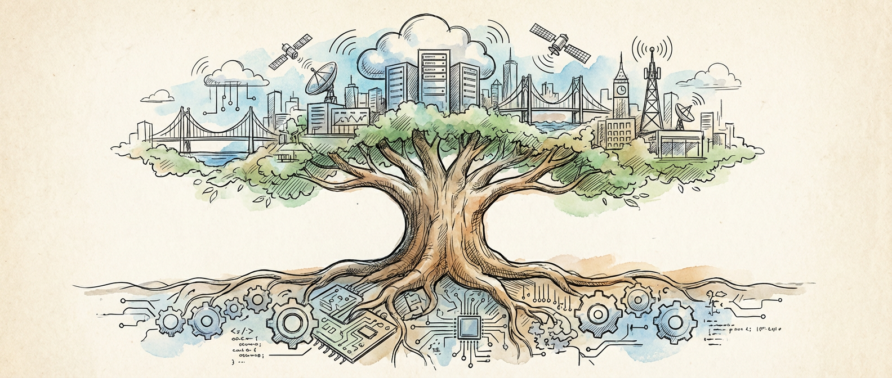
The Invisible Foundation Holding Everything Together
Modern digital infrastructure runs on a paradox. The world’s most valuable companies generate trillions in revenue using software that costs nothing to license. Linux runs over 96 percent of the world’s top million web servers. Apache, Nginx, and PostgreSQL process requests that power billions in enterprise revenue every quarter. Yet the developers maintaining this code often work for free, burning out in obscurity while Fortune 500 companies build empires on their labor.
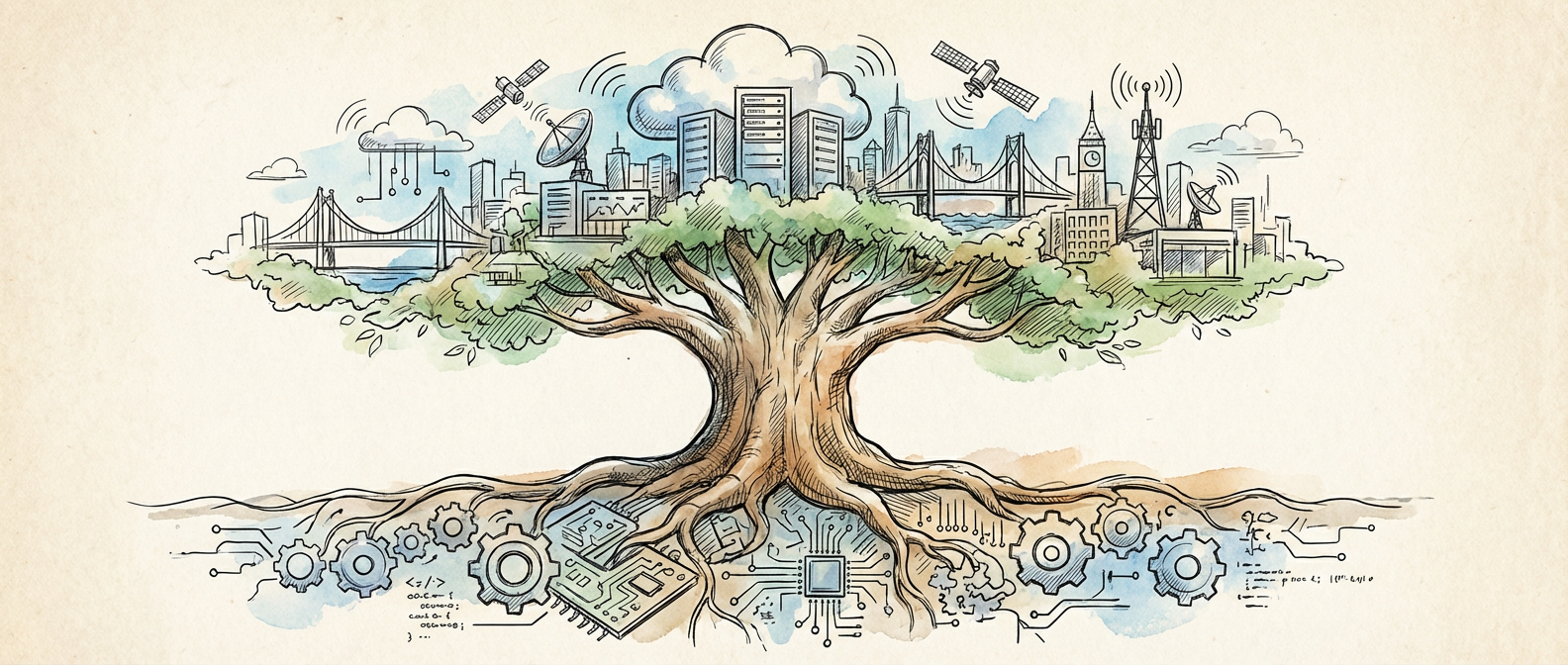
This isn’t sustainable. The foundation is cracking. The tech industry is scrambling to patch it with money, corporate adoption programs, and hastily written checks. But throwing cash at a structural problem reveals how little the industry understands what it has built on top of.
The question isn’t whether open source software will continue powering the internet. It’s whether the current model can survive the weight of its own success without collapsing under regulatory pressure, maintainer burnout, and the growing complexity of securing code that billions depend on.

The Burnout Economy of Critical Infrastructure
Maintainer burnout is forcing a reckoning across the industry. Developers who started passion projects in their spare time now find themselves responsible for code that powers everything from banking systems to autonomous vehicles. The Open Source Initiative has documented case after case of projects abandoned because volunteers couldn’t handle the pressure of unpaid responsibility for mission-critical systems.
Corporate response has been predictably reactive. GitHub’s Sponsors program has distributed over $30 million to maintainers since its launch. Major tech companies are launching adoption programs and funding pledges with great fanfare. But these initiatives treat symptoms rather than causes. They’re band-aids on a model that was never designed to support the weight it now carries.
The real issue isn’t funding. It’s the gap between value creation and value capture. When a solo developer maintains a library that saves Fortune 500 companies millions in development costs, a monthly sponsorship check feels insulting rather than fair. The economics don’t add up. Throwing money at individual maintainers won’t fix the structural imbalance.
Regulatory Pressure Meets Reality
The European Union’s Cyber Resilience Act is about to make this crisis more acute. New liability requirements will place unprecedented legal pressure on open source projects. Maintainers who previously operated in a legal gray area of “use at your own risk” may soon face personal liability for security vulnerabilities in code they distribute for free.
This regulatory shift exposes the absurdity of the current model. Volunteer developers will be held to the same standards as commercial software vendors, but without the resources, legal protection, or revenue streams to meet those standards. The result will be either a mass exodus of maintainers or a complete restructuring of how open source projects operate.
Some projects are already adapting. They’re incorporating as foundations, purchasing liability insurance, and establishing governance structures that look more like traditional software companies. But this evolution comes at a cost. The informal, collaborative culture that made open source innovation possible is being replaced by corporate-style bureaucracy and risk management.
The Next Generation Question
Perhaps the most telling indicator of open source’s maturation is happening at the kernel level. Rust is gradually replacing C in safety-critical systems throughout the Linux kernel and across AWS infrastructure. This isn’t just a technical upgrade. It’s a generational shift toward languages and tools designed with modern security and reliability requirements in mind.
The Rust transition reveals how the industry is quietly acknowledging the limitations of foundational open source technologies. C’s decades-old design assumptions about memory management and type safety are no longer acceptable in systems that process billions of transactions daily. But rewriting core infrastructure is a massive undertaking that highlights just how deeply embedded these dependencies have become.
GitHub Open Source statistics show a clear trend toward newer languages and frameworks designed with security and maintainability as primary concerns. The next generation of open source infrastructure is being built with lessons learned from the current system’s limitations.
Beyond the Sustainability Theater
The real test of open source sustainability won’t be measured in sponsorship dollars or corporate adoption programs. It will be whether the model can evolve to match the scale and complexity of modern digital infrastructure without losing the innovation and collaboration that made it valuable in the first place.
Current sustainability efforts feel like theater. Companies announce funding initiatives with great fanfare, but the economic model remains unchanged. Critical infrastructure still depends on volunteer labor. Regulatory compliance is still an afterthought. The gap between value creation and value capture continues to widen.
The industry needs to stop treating open source as a charity case that occasionally requires corporate benevolence. These projects are critical infrastructure that requires the same level of investment, governance, and long-term planning as any other essential system. The current approach of reactive funding and wishful thinking isn’t adequate for what’s coming.
What’s your take on the open source sustainability crisis? Are corporate funding initiatives enough, or does the model need to change completely? The conversation around these issues is just beginning, and the stakes couldn’t be higher for the future of digital infrastructure.