
The Benchmark Theater vs. Real Code Reality
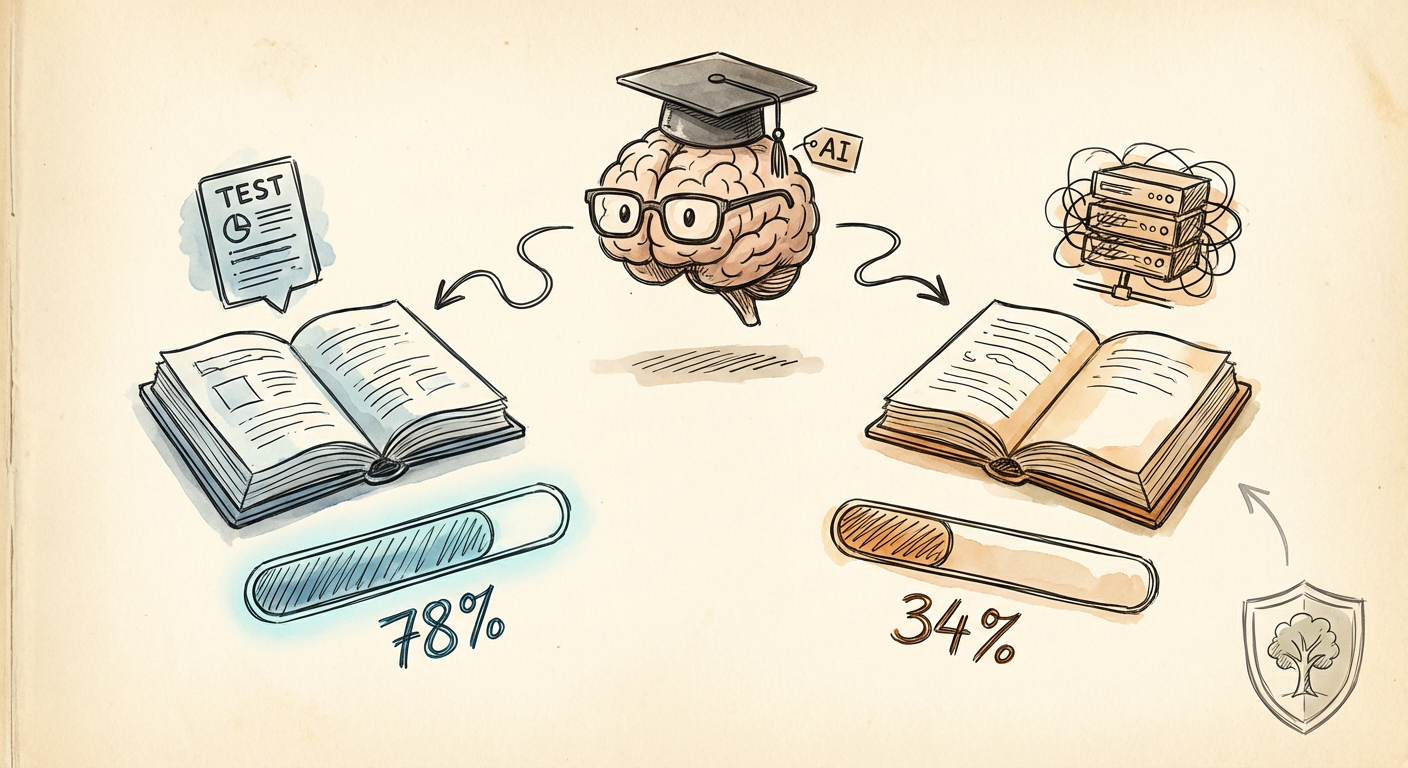
Meta’s latest Code Llama 3 dropped in late 2024 with all the fanfare you’d expect. Seventy-eight percent accuracy on HumanEval benchmarks. Press releases. Conference demos that made junior developers’ eyes light up with visions of automated pull requests. But here’s the thing about benchmarks: they’re about as representative of real development work as a driving test is of rush-hour traffic in downtown San Francisco.

The Stanford CodeGen Research Study tells a different story. When researchers threw Code Llama 3 at actual enterprise codebases, that shiny 78% accuracy crumbled to 34%. That’s not a rounding error. That’s the difference between a tool that works and one that becomes another item on your technical debt wishlist.
Real codebases are messy. They have legacy dependencies, domain-specific business logic, and that one module nobody wants to touch because Janet wrote it in 2019 before she left for that startup. Benchmarks don’t capture the architectural decisions made at 2 AM during a critical bug fix, or the subtle connections between services that took your team three months to get right.
The Honeymoon Period Is Over
Remember when GitHub Copilot felt like magic? Those first few weeks when it would autocomplete exactly what you were thinking, and you’d lean back in your chair with that satisfied grin of someone who just discovered a cheat code for programming. Well, the novelty wore off faster than you’d expect for experienced developers.
The GitHub’s 2025 Developer Experience Report reveals something fascinating: Copilot usage dropped 23% among teams with five or more years of experience after the initial six-month adoption period. That’s not a small dip. That’s a significant portion of seasoned developers saying “thanks, but no thanks” to their AI pair programming partner.
Why the exodus? Senior developers quickly realized that reviewing AI suggestions often took longer than writing the code from scratch. It’s like having an eager intern who generates ten different solutions to every problem, none of which quite fit your specific context. The mental overhead of constantly evaluating AI output can be more draining than the original problem-solving process.
The Debug Paradox Nobody Talks About
Here’s where things get really interesting. Stack Overflow’s 2025 survey found that 67% of developers spend more time debugging AI-generated code than writing original solutions for complex business logic. Read that again. The tool designed to make us more productive is actively making us less productive for the work that matters most.
AI excels at generating syntactically correct code that runs without errors. But “runs without errors” and “solves the actual business problem correctly” are two very different things. When Code Llama 3 generates a function that handles user authentication, it might create something that passes all the obvious test cases but completely misses edge cases specific to your application’s security requirements.
The debugging process becomes particularly painful because AI-generated code often lacks the intentional design patterns that experienced developers use. It’s like trying to debug someone else’s stream-of-consciousness coding session. The logic might be sound, but the reasoning behind architectural choices remains opaque.
Security Theater in Production
Let’s talk about something that should keep you awake at night: AI-suggested security fixes. Anthropic’s Claude 3.5 Sonnet showed a 45% false positive rate when suggesting security improvements in production environments during beta testing at twelve Fortune 500 companies. Nearly half of its security recommendations were wrong.
This isn’t just academic concern. False positives in security recommendations can be worse than no recommendations at all. They create a false sense of security while potentially introducing new vulnerabilities. When an AI confidently suggests that adding input validation to one function will solve your SQL injection problems, you might miss the three other places where the real vulnerabilities live.
The human element becomes crucial here. Senior developers don’t just know how to write secure code; they understand the threat models specific to their applications. They know which libraries have had recent CVEs, which deployment configurations create attack vectors, and how seemingly innocent features can be chained together by attackers.
The Review Cycle Reality
Microsoft’s internal DevOps metrics reveal that GPT-4 Turbo code generation requires an average of 2.3 human review cycles before it’s deployment-ready. That’s not counting the initial generation time or the context-switching overhead of reviewing AI output. By the time you’ve gone through multiple review cycles, explaining the context to the AI, and fixing the edge cases it missed, you could have written the solution yourself.
The review process also creates an interesting psychological dynamic. Developers often feel pressure to make AI-generated code work rather than starting fresh. It’s the sunk cost fallacy applied to programming. “I’ve already spent twenty minutes reviewing this function, so I’ll just fix these three bugs instead of rewriting it.” This leads to codebases filled with AI-generated solutions that were forced to fit rather than designed to excel.
The most effective teams I’ve seen treat AI coding tools like they treat any other dependency: useful for specific tasks, but not a replacement for architectural thinking and domain expertise. Code Llama 3 might help you write boilerplate faster, but it won’t understand why your team chose microservices over a monolith, or why that seemingly redundant validation exists because of a specific customer requirement from two years ago.
What’s your experience been with AI pair programming tools? Have you found the sweet spot where they actually save time, or are you part of the growing group of developers who’ve quietly moved back to writing code the old-fashioned way?